Livelihoods
SECTOR AREA
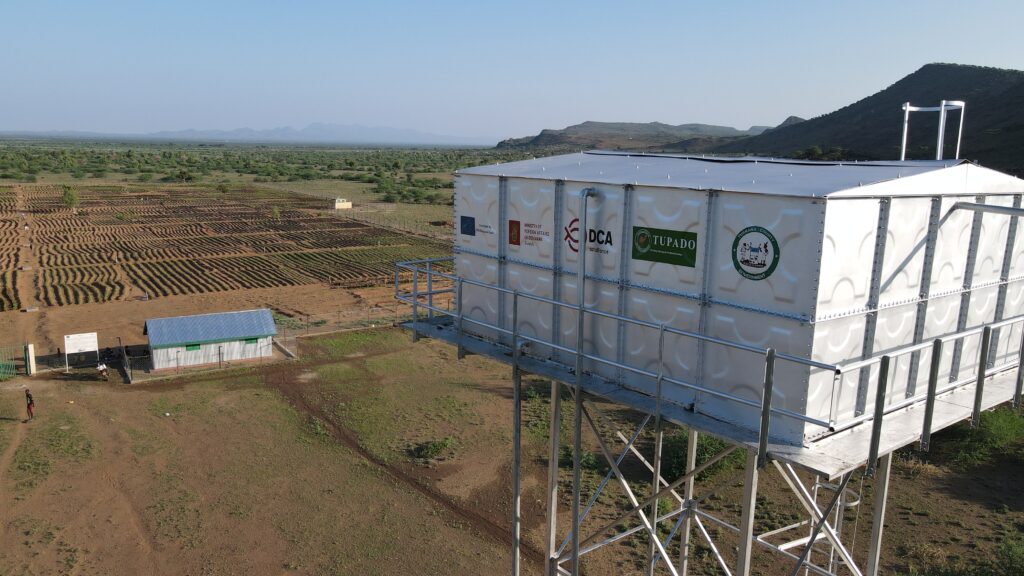
TUPADO has adopted a multi-stakeholder approach aimed at convening strategic meetings with key stakeholders and partners, including the Ministry of Agriculture, Pastoral Economy and Fisheries (MAPEF), the County Livestock Marketing Council (CLMC), representatives from various Livestock Marketing Associations (LMAs) in Turkana County, and other actors within the livestock sector. The primary objective of these engagements is to jointly develop appropriate behavior change communication (BCC) messages targeting all actors along the livestock marketing value chain, with the aim of addressing constraints and unfair trade practices that have made the sector less attractive to women, youth, and local communities. The information generated is translated by TUPADO into the local language and disseminated through local radio stations that are widely listened to across the county. At the community level, beneficiaries are mobilized and sensitized to attend weekly and monthly community campaigns tailored to promote behavior change communication on commercial destocking and restocking.
Through strategic partnerships with VSF-Germany and Mercy Corps Kenya, TUPADO has facilitated several livestock market trainings aimed at helping farmers maximize the benefits from the sale of their livestock, as well as the construction of livestock marketing infrastructure, including slaughter slabs.
This is done to reduce the influence of middlemen who exploit farmers through unfair market pricing. The program also focuses on community sensitization on livestock markets and the empowerment of livestock marketing associations through targeted trainings. In addition, communities are trained on the Village Community Banking (VICOBA) concept, and such groups are initiated and supported through the provision of revolving funds and grants. Other key interventions include poultry production, livestock products value addition, and household gardening supported through rainwater harvesting and solar-powered systems.
The organization further emphasizes community empowerment approaches such as Pastoral Field Schools (PFS), VICOBA, Assets-Based Community Development (ABCD), Do No Harm principles, participatory community development approaches, and training on Community-Managed Disaster Risk Reduction (CMDRR) techniques, including community contingency planning, as well as business and entrepreneurship development.
TUPADO endeavors to create sustainable, long-term impact among vulnerable community groups, particularly women, by equipping them with basic entrepreneurial skills such as proposal writing, bookkeeping, and principles of group savings and loans. Following these trainings, grants are provided to organized groups that demonstrate progressive learning and adaptive management practices. The grants are channeled through Kenya Commercial Bank to ensure close monitoring, coaching, and mentorship for successful groups. This initiative has been supported through funding from the European Union Trust Fund (EUTF).
Under the livelihoods component, the program also focuses on the four phases of emergency management—mitigation, preparedness, response, and recovery—implemented through a range of interventions. These include cash transfer programs, commercial destocking and restocking, support to households in adopting climate-smart agriculture, and mentorship and training on modern alternative livelihood options such as beekeeping, aloe propagation, gum arabic production, and rangeland management.