
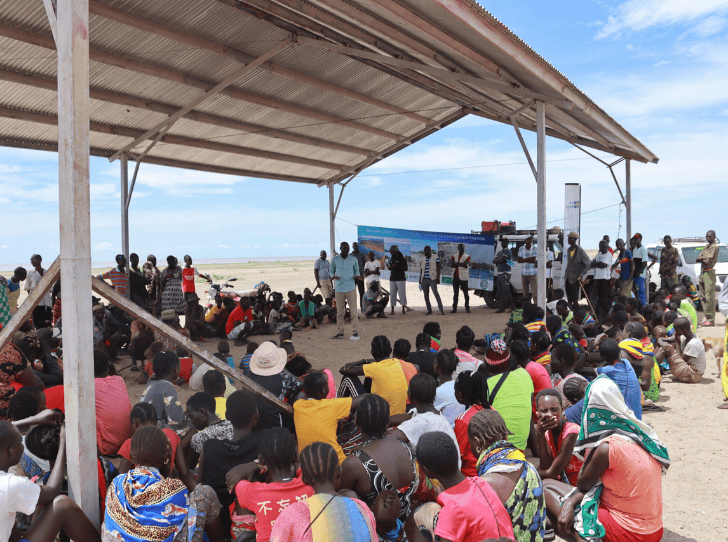
Peace is the foundation upon which sustainable development is built. In pastoralist regions such as Turkana and its border areas, peace is not just the absence of conflict—it is the presence of trust, cooperation, and shared responsibility over natural resources. However, recurring conflicts fueled by competition over pasture, water, and livestock have long disrupted livelihoods, displaced families, and undermined social cohesion.
TUPADO recognizes that lasting development cannot be achieved without addressing the root causes of conflict. Through community-led peacebuilding initiatives, the organization works to strengthen relationships, promote dialogue, and foster coexistence among pastoralist communities.
Understanding Conflict in Pastoralist Contexts
Conflict in pastoralist areas is often complex and deeply rooted. Climate variability reduces access to grazing land and water, increasing competition among communities. Cross-border movements, historical grievances, and the proliferation of small arms further intensify tensions. Women, children, and vulnerable groups are frequently the most affected, facing insecurity, displacement, and loss of livelihoods.
TUPADO approaches peacebuilding with a clear understanding that these challenges cannot be solved through enforcement alone. Sustainable peace requires inclusive dialogue, community ownership, and locally driven solutions.
Community Dialogue as a Pathway to Peace
One of TUPADO’s core peacebuilding strategies is community dialogue. By bringing together elders, youth, women, and local leaders from different communities, TUPADO creates safe spaces for open conversation and mutual understanding. These forums allow communities to address grievances, clarify misunderstandings, and jointly agree on peaceful ways to manage shared resources.
Dialogue strengthens trust and revives traditional conflict resolution mechanisms that have long played a role in pastoralist societies. By reinforcing these systems, TUPADO helps communities resolve disputes before they escalate into violence.
Strengthening Local Peace Structures
Local peace committees play a critical role in preventing and managing conflict at the grassroots level. TUPADO supports the formation and strengthening of these committees, ensuring they are inclusive, representative, and functional. Members are equipped with skills in mediation, negotiation, and early conflict detection.
These structures act as first responders when tensions arise, enabling timely intervention and reducing the risk of violence. By empowering local actors, TUPADO promotes peace solutions that are sustainable and community-owned.
Engaging Youth as Peace Champions
Youth are often both the drivers and victims of conflict in pastoralist areas. Limited economic opportunities and social exclusion can push young people toward negative coping mechanisms, including participation in violence. TUPADO actively engages youth as agents of peace, not perpetrators of conflict.
Through targeted programs, youth are supported to participate in peace dialogues, community service initiatives, and livelihood activities that promote positive engagement. When young people are given a voice, skills, and economic opportunities, they become powerful advocates for peaceful coexistence.
Promoting the Role of Women in Peacebuilding
Women are uniquely positioned to influence peace within households and communities, yet they are often excluded from formal peace processes. TUPADO prioritizes the inclusion of women in peacebuilding initiatives, recognizing their role as caregivers, negotiators, and community mobilizers.
By strengthening women’s participation in dialogue forums and peace committees, TUPADO ensures that peace processes reflect diverse perspectives and address the needs of all community members. Inclusive peacebuilding leads to more durable and widely accepted outcomes.
Linking Peacebuilding with Livelihoods and Development
Peace and livelihoods are deeply interconnected. Without economic security, peace efforts struggle to take root. TUPADO integrates peacebuilding with livelihood support, ensuring communities have alternatives to conflict-driven survival strategies such as cattle raiding.
By improving access to income-generating activities, markets, and skills development, TUPADO reduces the economic incentives for conflict. Communities that see tangible development benefits are more likely to invest in peaceful relationships.
Cross-Border Peace Initiatives
Pastoralist communities often move across borders in search of pasture and water, making cross-border cooperation essential. TUPADO supports peace initiatives that promote dialogue and collaboration between neighboring communities across administrative and national boundaries.
These efforts help establish shared agreements on resource use, migration routes, and conflict prevention, contributing to regional stability and mutual respect.
Measuring Peace Beyond the Absence of Violence
For TUPADO, peace is measured not only by reduced conflict incidents but also by improved relationships, cooperation, and collective problem-solving. Communities that once viewed each other with suspicion begin to collaborate on shared challenges such as water access, grazing management, and climate adaptation.
This shift from competition to cooperation is a powerful indicator of lasting peace.
Creating a Culture of Coexistence
Peacebuilding is a long-term process that requires patience, consistency, and trust. Through sustained engagement, inclusive participation, and locally driven solutions, TUPADO is helping pastoralist communities move toward a culture of coexistence.
As communities learn to resolve differences peacefully and work together, they lay the groundwork for sustainable development, resilience, and shared prosperity.